

How to Withdraw Funds to Paystack in Nigeria
Learn how to withdraw funds to your Paystack account in Nigeria efficiently 💸. Discover the steps, fees, common issues, and tips for smooth fintech transactions.
Edited By
Oluwaseun Balogun
Aviator glasses have kept their place as a go-to accessory in Nigeria because of their sleek design and usefulness. Originally created for US pilots in the 1930s, these glasses quickly became more than just gear—they turned into a fashion staple. Today, you’ll find people across Nigeria—from Lagos to Kano—choosing aviators not only for eye protection but also as a style statement.
What sets aviator glasses apart is their large teardrop-shaped lenses and thin metal frames, designed to cover the entire eye area and reduce glare. This feature makes them practical under the harsh Nigerian sun, especially during the scorching ember months when the heat peaks. Whether you’re driving an okada, waiting for a danfo, or attending an outdoor owambe, aviators help shield your eyes while adding a cool vibe to your look.
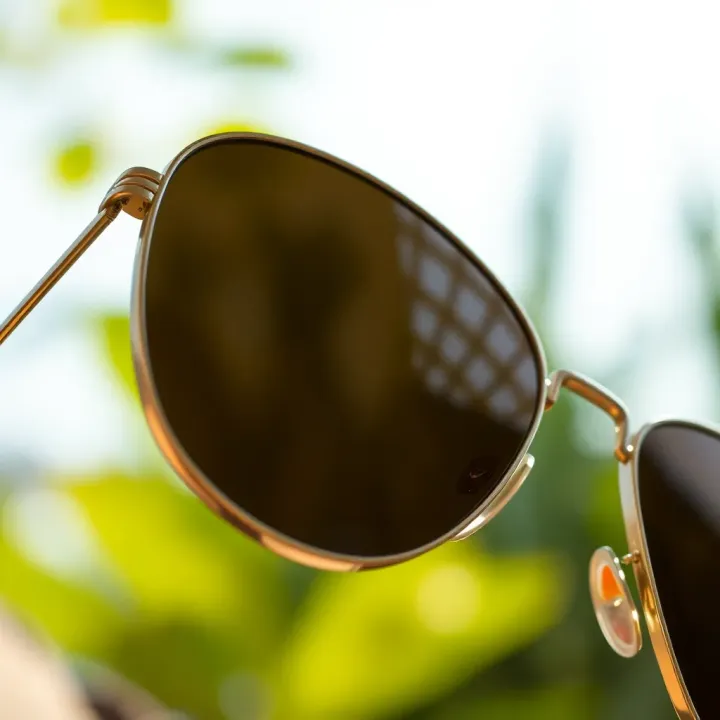
For anyone considering buying authentic aviator glasses, it’s key to focus on quality. Choose reputable brands or verified sellers to avoid tokunbo sunglasses that might offer poor UV protection. Look for UV400-rated lenses and sturdy frames made from materials like stainless steel or titanium to ensure durability. Good aviators will feel comfortable for extended wear without pinching your nose or squeezing your head.
Aviators also blend seamlessly with Nigeria’s evolving fashion scene. From casual streetwear featuring branded sneakers and designer T-shirts to more sophisticated agbada or ankara outfits, aviator glasses add a modern twist. They are favoured by professionals, celebrities, and everyday youths alike. For compliance officers heading to the office or finance officers stepping out in style, aviators offer that balance between functionality and personality.
Protecting your eyes is not just about looks; it’s about health. Proper aviator glasses can reduce risks of cataracts and eye fatigue from glaring sunlight.
In the sections ahead, you’ll learn how to pick authentic aviator glasses, care for them to extend their lifespan, and understand their place in Nigerian lifestyle and fashion trends. Whether you want to guard against UV rays or want an iconic look, aviators deliver on both fronts.
Understanding the origins and design features of aviator glasses helps appreciate their lasting appeal and practical benefits, especially for Nigerian users. Knowing their military roots, distinctive shapes, and materials can guide buyers to make informed choices, whether for sun protection during daily commutes or as a style statement.
Military origins and pilot use: Aviator glasses were originally developed in the 1930s for U.S. military pilots to reduce glare and protect their eyes while flying at high altitudes. The large, teardrop-shaped lenses maximised coverage, preventing harmful ultraviolet rays and wind exposure. This design was functional; the glasses needed to be comfortable and effective for long hours in the cockpit. For Nigerians who commute on okadas or drive through dusty city streets, the military-grade protection motivation behind aviators still resonates as they offer broad eye coverage and shield against flying debris.
Evolution to mainstream fashion: By the 1950s and 60s, aviators crossed over from military use into civilian fashion, boosted by Hollywood icons like Tom Cruise in "Top Gun." The cool aesthetic combined with the proven functionality made aviators very popular. In Nigeria, aviators became a preferred eyewear choice for celebrities and everyday users in the bustling cities, often paired with traditional or casual wear, demonstrating their adaptability beyond aviation.
Teardrop shape and large lenses: The hallmark teardrop shape is not just visual flair but serves a practical role by offering maximum eye coverage. Large lenses block sunlight from multiple angles, reducing eye strain. For Lagos or Abuja's strong sun, this design helps users avoid squinting, improving comfort and safety on the road.
Thin metal frames and double bridge: Aviators typically feature thin metal frames, often made from lightweight alloys like stainless steel or titanium. This keeps the glasses light despite the large lenses, preventing discomfort during long wear. The double bridge adds stability and distributes frame weight evenly, so the glasses sit firmly without pinching the nose — crucial for Nigerians navigating traffic or long outdoor hours.
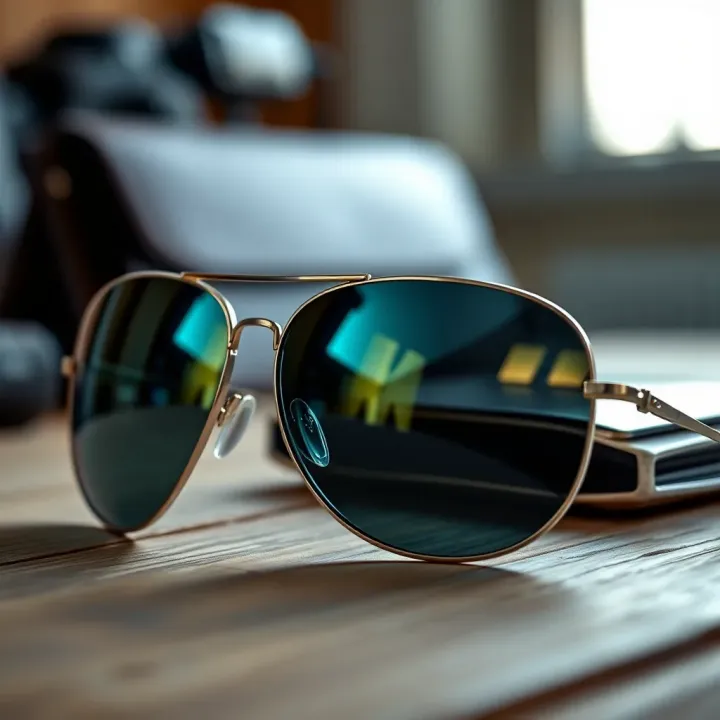
Lens colours and coating options: Aviator lenses come in several colours—green, brown, grey—with each tint offering specific benefits such as enhancing contrast or reducing glare. Polarised coatings are particularly helpful for blocking reflected light, which can be an issue during rainy seasons or on shiny surfaces like car hoods. Anti-scratch and UV400 protection coatings are common on quality aviators, offering durability and effective sun defense suited for Nigeria’s demanding climate.
When choosing aviator glasses, consider lenses and frames that suit both your practical needs and personal style. That way, you get the best from these iconic accessories every day.
Choosing genuine aviator glasses matters because quality and authenticity affect durability, comfort, and eye protection. In Nigeria's market, where copies and tokunbo pairs flood the shelves, knowing how to spot authentic glasses saves you money and stress. Authentic aviators offer better UV protection and tend to have clearer lenses that won't distort your vision during long outdoor commutes like danfo rides or okada trips.
Brand markers and serial numbers are crucial in recognising original aviators. Well-known brands such as Ray-Ban and Oakley usually have etched logos on the lens or frame, plus a unique serial number engraved on the arm of the glasses. This serial number helps confirm the product’s authenticity with the manufacturer. Tokunbo copies often lack these subtle insignia or have poorly executed marks that look off under closer inspection. For example, a genuine Ray-Ban usually carries a laser-etched "RB" on the lens near the hinge, and this detail is tough to copy accurately.
Price considerations and value also guide your choice. Genuine aviators generally cost from ₦20,000 upwards in Lagos markets, depending on the brand and lens features like polarized coating. If you spot a pair priced at less than ₦10,000 among street vendors, it’s likely a lower-quality copy with inferior UV protection and fragile frames. While the lower price might seem attractive, such glasses won't last long or offer the clarity and comfort of authentic pairs. Investing in original aviators ensures you get both style and eye safety in Nigeria’s strong sun.
Measuring lens width and frame size is essential for comfort and appearance. Many aviators come in sizes like 55mm, 58mm, or 62mm lens width. If your face is on the smaller side, buying aviators with large lenses can swamp your features and feel cumbersome. Try measuring your current glasses’ lens width or use a cloth tape to measure the distance across your face where the glasses will sit. Brands typically print frame size numbers on the inside of the arm, making it easier to compare before buying.
Comfort and weight factors influence how often you'll wear your aviators. Heavy frames tire your nose and ears quickly, especially if you wear glasses for hours in hot, humid Nigerian weather. Metal frames with adjustable nose pads generally offer a better fit and lightness than plastic versions, but check that the metal isn’t too thin to avoid easy bending or breaking. Also, pay attention to the temples — they should grip snugly but not pinch tightly behind the ears. Trying glasses out, ideally in a store setting before buying, helps avoid discomfort that can put you off your aviators altogether.
Buying authentic aviator glasses tailored to your face size and comfort needs pays off in durability, eye safety, and everyday ease—important for Nigerians dealing with harsh weather and active lifestyles.
By knowing how to distinguish real aviators from tokunbo copies and choosing the right size, you secure a quality eyewear investment that fits your style and practical needs. Remember, original aviators not only look better but stand the test of Nigeria’s climate and daily hustle better than any cheap alternative.
Aviator glasses have become a strong staple in Nigerian fashion, thanks largely to celebrities and popular culture icons. Figures like Burna Boy and Tiwa Savage have been spotted sporting aviators, influencing many fans to follow suit. This kind of brand association boosts the glasses' image as not only functional but also trendy. In events like the Lagos Fashion Week or even casual outings in Victoria Island, you’ll notice how aviators add a touch of confidence and swagger to a person’s look.
Pairing aviators with outfits is versatile; they complement Nigeria’s rich traditional attire as much as modern-day clothing. For example, pairing a sleek pair of aviators with an agbada or ankara outfit elevates the overall appearance, mixing heritage with global style. On the other hand, when worn with casual jeans and a fitted shirt, aviators give a smart, sharp edge, ideal for creative professionals or anyone keen on looking polished but relaxed. This flexibility means aviators can fit seamlessly into the many styles you find across Nigeria’s urban and semi-urban settings.
Nigeria’s climate poses real challenges with its strong sun and frequent dust in many regions, especially in the dry season. Aviator glasses are practical here because their large lenses provide broad coverage, shielding eyes against harmful UV rays. Lenses with good anti-glare coating also help when driving or walking under the blazing sun. For those living in Lagos or Kano, where dust and sand particles are common, aviators prove useful by reducing eye irritation and helping maintain clear vision.
For daily commutes, such as okada or danfo rides, aviators are particularly suitable. On an okada helmet, they protect your eyes from wind, insects, and occasional dust storms that ride-too-fast experiences bring. Likewise, danfo passengers appreciate the glasses as a barrier against exhaust fumes and close urban crowds. Many commuters find that a good pair of aviators reduces eye strain and improves comfort on these often bumpy and lengthy journeys. They are light enough not to cause discomfort under the sun, unlike heavier sunglasses.
In short, aviator glasses aren't just a fashion accessory in Nigeria; they offer solid protection and practicality for everyday life amidst our unique climate and transport challenges.
Aviator glasses are more than just a style choice in Nigeria; they help shield your eyes from harsh sunlight and dust, especially during daily commutes by okada or danfo. Given the country's often dusty roads and humid climate, proper maintenance and care become vital to keep these glasses durable and clear. If neglected, lenses quickly get scratched or frames may corrode, reducing both protection and style.
Cleaning aviator glasses properly requires the right materials. Using a soft microfiber cloth is best since rough fabrics can scratch lenses. Avoid tissues or your shirt, which often trap dust particles. Additionally, mild lens cleaning solutions designed for eyewear help remove grime without damaging lens coatings. For quick fixes, a spray of water followed by gentle wiping works well but avoid household detergents or alcohol as they can degrade lens coatings.
To extend the life of your aviators, prevent scratches by cleaning them frequently before they get visibly dirty. When wiping, always use gentle motions rather than harsh rubbing. Also, avoid placing glasses lens-down on rough surfaces like car dashboards during ember months or dusty open markets. Small scratches in Nigerian roads’ grit can mar lenses, so protective handling habits matter.
Investing in a strong, hard-shell case is wise given Nigeria’s busy lifestyle and the risk of accidental knocks in crowded places like markets or Lagos traffic. Soft pouches provide ease but less protection against crushing or bending. Furthermore, cases that match local humidity with breathable fabric linings help reduce internal moisture buildup, limiting any lens fog or frame rust.
Humidity, typical especially in coastal cities like Port Harcourt or Lagos, can cause metal frames on aviators to tarnish or joints to loosen. Keep glasses dry by wiping regularly with a dry cloth after use. Storing them with silica gel packets inside your case can absorb excess moisture. Because Nigerian dust can accumulate quickly, frequent cleaning and storing glasses inside protective covers when not worn help keep your aviators sharp and functional for longer.
Taking these simple care steps can save you money in the long run, avoiding costs of replacement parts or buying new pairs too often. Keeping your aviator glasses clean and well-kept ensures they stay a trusted and stylish companion amid Nigerian daily life challenges.
Learn how to withdraw funds to your Paystack account in Nigeria efficiently 💸. Discover the steps, fees, common issues, and tips for smooth fintech transactions.

Learn how to deposit money into your OPay account using bank transfer, USSD codes, debit/credit cards, and POS terminals. Get tips to solve common issues quickly 💳📲

🎯 Discover how to easily access 1xbet in Nigeria using USSD codes! Register, place bets, and manage your account conveniently without internet hassles. 📱🇳🇬

Discover the alternative names and brands linked to 1xBet Nigeria 🎲. Learn how to spot legit sites, understand rebranding reasons, and know legal tips for safe betting!
Based on 13 reviews