

How to Withdraw Money from 1xBet App in Nigeria
Learn how to easily withdraw your winnings from the 1xBet app in Nigeria 💸. Steps include verification, payment options, and tips for hassle-free cashouts!
Edited By
Emily Robertson
The World Cup qualifiers are well underway, and football fans across Nigeria and beyond are keenly following the fixtures. These matches determine which nations will secure their spot in the World Cup, arguably the biggest event on the global football calendar. For bettors, finance officers managing sports funds, or compliance officers monitoring sponsorships, understanding the schedule, team matchups, and qualification formats is essential.
The qualifiers are organised by continent, each with a distinct format reflecting the regional football landscape. In Africa, under the Confederation of African Football (CAF), teams go through multiple rounds, often starting with home-and-away matches. For example, Nigeria recently faced Ghana in a high-stakes fixture that challenged both teams’ strategies and stamina. This knockout style continues until a select few teams earn their ticket to the tournament.
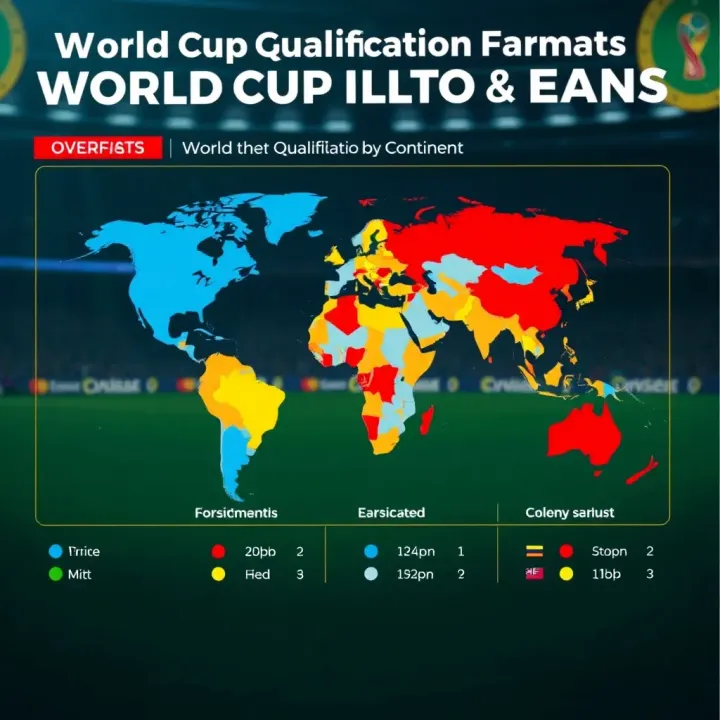
In Europe, the Union of European Football Associations (UEFA) uses group stages where teams play each other home and away. The top teams qualify directly, while runners-up may enter playoffs. Asian qualifiers (AFC) and those in South America (CONMEBOL) feature groups as well, but with differing numbers of teams and match counts, which can impact betting odds or sponsorship deals.
Understanding the format is crucial because it affects when games are played, the intensity of each fixture, and the strategies teams adopt — information valuable for anyone tracking the qualifiers professionally or personally.
For Nigerian viewers, knowing where to catch the games live also matters. Local broadcasters often air matches, and digital platforms have stepped up to offer streaming services accessible nationwide. The fixtures are usually scheduled according to international match windows set by FIFA, designed to avoid conflict with domestic leagues.
To stay ahead:
Keep an eye on fixture lists released by your local football federation or CAF
Note time zones and expected kick-off times to catch matches live
Monitor team form and line-ups as qualifiers progress, especially because injuries and suspensions impact outcomes
This knowledge not only enriches your enjoyment but can sharpen your decisions, whether placing bets or managing sports-related operations. As the qualifiers progress towards the final World Cup lineup, staying informed will give you a practical edge.
The World Cup qualifiers represent the gateway for national teams aiming to secure a spot in the biggest football tournament globally. Understanding this phase is essential for fans, sports bettors, and professionals tracking team performances ahead of the main event. Nigeria’s Super Eagles, for instance, regularly face tough qualifiers that determine their road to the World Cup, making these fixtures a key focus for local supporters and stakeholders.
Qualifiers serve as a filtering process where countries compete to earn their place in the World Cup. This stage allows emerging talents and established stars to prove their worth on the international stage. For Nigeria and other African teams, qualifiers not only test on-field abilities but also challenge logistical planning, travel stamina, and squad depth. For example, a qualifier might take a team from Lagos to Johannesburg, exposing players to different climates and altitudes that influence performance.
Beyond sports, qualifiers impact betting markets heavily. Accurate knowledge of team forms, injury lists, and fixture challenges can tip the balance for bettors aiming to make informed decisions. The qualifiers also boost local economies through matchday revenues and media rights sales, especially for host venues that benefit from fan attendance.
World Cup qualifiers are organised by continental confederations, each which structures its competition to fit the number of member teams and available World Cup slots. Typically, teams are divided into groups where they play home and away matches, accumulating points over several months to decide who advances.
In Africa, for example, teams are grouped in series with the top finishers moving to playoffs or securing direct qualification, depending on the format for that cycle. These fixtures usually stretch over international breaks marked on the FIFA calendar, allowing players to return from clubs for national duty. The scheduling often considers travel distances and avoids clashes with major local events or holidays.
The fixture plan is designed to maintain competitive balance and fairness, with home advantage rotating among teams. This structure ensures that Nigerians can watch the Super Eagles play at home at least once per qualifying round, creating a vibrant atmosphere that fuels team spirit and fan enthusiasm.
Knowing the basics of how qualifiers are set up helps fans and bettors follow progress clearly and identify key matches that could influence final qualification.
With qualifiers running months ahead of the World Cup itself, staying updated on fixture structures allows for better planning to catch games live, follow betting odds, or analyse team strategies for upcoming ties.
Understanding the qualification formats by continent is essential for grasping how various teams secure their spot at the World Cup. Each continent operates under distinct rules shaped by regional football bodies, affecting fixture schedules, travel, and competition intensity. This knowledge is particularly relevant for fans and bettors who want to track their favourite teams or capitalise on odds in fixtures that matter.
The Confederation of African Football (CAF) divides its member countries into groups for the qualifiers. This approach is practical because it balances travel distances and fosters regional rivalries, which boost attendance and local interest. For example, in Nigeria's recent qualifiers, groups often feature five or six teams playing home and away matches. This structure gives each team multiple chances to accumulate points over a season, ensuring that qualification depends on consistent performance rather than one-off results.

Matches within CAF qualifiers are usually arranged to minimise travel strain, often scheduled over international breaks to fit club commitments. Venues range from massive stadiums in capital cities to smaller grounds in regional centres. Nigerian fans know that home games at venues like the Godswill Akpabio International Stadium attract huge support, which can influence outcomes. Factoring in weather variations – like the harmattan season or rainy periods – also affects fixture timing.
UEFA, Europe's football body, organises qualifiers in groups of five or six teams, just like CAF, with group winners qualifying directly. The runners-up enter playoffs to grab remaining spots. For instance, countries like Croatia and Sweden have advanced this way in previous campaigns. These playoffs usually add drama because teams face high-stakes matches in knockout scenarios. Knowing this helps bettors and fans focus on pivotal fixtures that decide progression.
The UEFA Nations League introduces a layer of complexity and opportunity. This competition provides additional routes to the World Cup qualifiers by rewarding top teams in their Nations League groups with playoff spots if they miss out through the standard group stage. For example, smaller teams have used the Nations League as a springboard, altering traditional power dynamics. Understanding this link is key to following Europe's qualification landscape realistically.
Asian qualifiers managed by the Asian Football Confederation (AFC) typically span several rounds, with initial knockout stages leading to group play among top-ranked sides. This format suits a vast geography with travel challenges stretching from the Middle East to East Asia. In the Americas, both CONMEBOL and CONCACAF adopt round-robin formats, with CONMEBOL's single group—featuring teams like Brazil and Argentina—known as one of the toughest qualifiers globally. Knowing these formats helps fans anticipate timeframes and fixture intensity.
Intercontinental playoffs pit teams from different confederations against each other for the final World Cup spots. For instance, the African fifth-placed team might play the South American Confederation (CONMEBOL) fifth-placed team, or Asian qualifiers could face opponents from Oceania. These matches are usually played over two legs, home and away, testing teams' resilience and strategy under pressure. For followers, these playoffs deliver some of the most thrilling and unpredictable moments in qualifiers.
Staying informed about these qualification formats by continent ensures you track the competition closely and spot crucial fixtures where momentum shifts. This insight is especially valuable for informed betting and for those keen to understand how their national teams stand a real chance at the World Cup.
Knowing the key fixtures and dates in the World Cup qualifiers is essential for fans, bettors, and anyone involved in the sports industry. These fixtures outline when and where national teams face off, which directly influences betting markets, matchday preparations, and even broadcast scheduling. For example, Nigerian matches draw significant attention since supporters and stakeholders closely follow the Super Eagles’ journey towards qualification.
Scheduling awareness also helps you avoid surprises caused by unexpected changes like fixture postponements or venue switches. Marking crucial dates ensures you don't miss matches that can heavily impact group standings and qualification chances.
The venues for Nigeria’s qualifiers are carefully selected to balance home advantage and accessibility. Matches at the Moshood Abiola National Stadium in Abuja or Teslim Balogun Stadium in Lagos tend to attract large crowds and create a vibrant atmosphere that can lift players' spirit. Furthermore, knowing the venue helps local fans plan their attendance and allows bettors to factor in home advantage or travel fatigue when assessing outcomes.
Away matches usually take place in varying conditions, from the humid environments in Africa to colder European hosts when Nigeria's team faces teams outside the continent. This variety in match settings can influence team performance and should be considered when following or betting on the games.
Kickoff times are set to suit local and international audiences, often in the late afternoon or evening to capture prime viewership both on-site and through broadcast. Nigerian fans benefit from local TV coverage on channels like SuperSport and NTA, ensuring that these crucial matches are accessible.
Besides traditional TV, many matches are now available on streaming platforms such as Showmax Pro or StarTimes online services, allowing fans to watch on mobile devices no matter their location. Since kickoff times can vary due to time zone differences and scheduling conflicts, staying updated prevents missing live action or important moments.
Apart from Nigeria’s games, certain encounters steal global attention due to their impact on qualification outcomes or historical rivalries. Matches between European powerhouses like Germany vs. Netherlands or England vs. Italy are must-watch events that often determine group leadership and playoff spots.
In Africa, fixtures such as Ghana vs. Egypt or Senegal vs. Cameroon bring intense rivalries and top-quality football, influencing not just qualification but also continental pride. For sports bettors, these high-profile games come with greater stakes and more sophisticated market movements.
Keeping track of key fixtures and dates not only helps fans enjoy the qualifiers but also enables informed decisions in betting and business related to football. It’s wise to have a calendar handy and confirm match details regularly to stay ahead.
To follow the qualifiers effectively:
Note all Nigeria fixtures with venue and time.
Keep an eye on other important matches affecting Nigeria’s group.
Use official broadcast and streaming schedules for reliable coverage.
This focused approach ensures you are well-prepared whether watching, analysing, or engaging with the qualifiers in any capacity.
Keeping up with the World Cup qualifiers requires more than just knowing the fixtures; it involves understanding where and how to access reliable coverage. Whether you are a bettor analysing odds, a finance officer monitoring commercial opportunities, or simply a passionate fan, following the matches live and engaging with up-to-date information can make a significant difference. This section guides you through the most practical ways to stay connected with the qualifiers in Nigeria.
Local Nigerian TV and Radio
Traditional media remains vital for many Nigerian viewers, especially those without stable internet access. Channels like NTA Sports, Channels TV, and AIT Sports regularly broadcast live matches, pre-match analyses, and expert commentary. Radio stations such as Cool FM Lagos and Wazobia FM provide live match commentaries that keep listeners glued despite traffic or power issues. For fans in rural areas or those who prefer listening to detailed tactical discussions, radio remains a top choice.
These platforms offer schedules that align with Nigerian local time (WAT), helping viewers avoid missing kickoffs. Watching or listening through TV and radio also grants access to adverts and sponsorship activities linked to the matches — an important factor for finance officers following marketing trends.
Online Streaming Platforms
Streaming has changed the way Nigerians consume football, with platforms like DStv Now, Showmax Pro, and YouTube Sports Channels growing in popularity. Many broadcasters offer live streams accessible on smartphones, tablets, or PCs — perfect for those on the move or unable to get comfortable in front of the TV. Platforms like DStv Now also include catch-up features, so you can watch key moments or missed games at your convenience.
Moreover, fintech innovations in Nigeria allow easy payment for streaming subscriptions via mobile wallets or USSD codes, making premium content affordable and accessible. For sports bettors, instant streaming via these platforms enables real-time decision-making on odds or outcomes, giving them an edge during matches.
Official Tournament Apps
Official football apps, such as the FIFA World Cup App, provide live scores, fixture lists, player statistics, and breaking news. They send notifications for match start times and goal alerts, ensuring you stay ahead of developments. For Nigerians, these apps are critical in accessing authentic and timely information straight from the organisers, avoiding misinformation common on social media.
These apps also include interactive features like polls and fantasy football leagues, increasing fan engagement. For customer service reps managing social channels or related customer enquiries, being familiar with official apps helps give accurate answers to questions about fixtures and results.
Popular Football Coverage Accounts
Social media platforms like Twitter, Instagram, and Facebook have become topical hubs for football fans in Nigeria. Accounts such as @NGSuperEagles, @KickOffAfrica, and @BBCSportAfrica offer rapid updates, highlights, and expert opinions. Social media also allows fans to participate in discussions, share predictions, and engage with other supporters.
For those in compliance or regulatory roles, monitoring verified accounts helps ensure information flow aligns with ethical practices, reducing the spread of fake news. Fans also benefit from following Nigerian sports journalists and commentators who provide local context, post-match analyses, and behind-the-scenes insights.
Staying connected through the right broadcasting and digital channels is essential to make the most of the World Cup qualifiers experience, whether for entertainment, analysis, or professional purposes.
By combining traditional broadcast sources with modern streaming services and mobile tools, Nigerians can follow the qualifiers comprehensively, regardless of their location or device preference.
Understanding the factors that affect World Cup qualifier fixtures is key for anyone following the qualifiers closely. These elements influence match schedules, venues, and even team performances, shaping how the tournament unfolds. For sports bettors and finance officers alike, recognising these variables can guide smarter decisions around match predictions and logistical planning.
Weather conditions play a significant role, especially since qualifiers often take place across diverse climates. For example, teams travelling to West African countries during the rainy season must deal with heavy downpours that can disrupt play and damage pitch quality. This was the case in a recent qualifier in Port Harcourt, where flooding caused significant delays.
Travel complexities also affect fixtures. African teams, for instance, often face long-haul flights combined with poor road networks upon arrival, leading to fatigue and reduced preparation time. During the qualifiers in 2022, Nigeria’s squad had to navigate Lagos traffic jams on top of international flights, which impacted training schedules. Moreover, visa issues and flight cancellations are frequent disruptors, especially when fixtures are set close together.
Travel and weather are often overlooked but can shift a team's readiness and affect match outcomes.
Scheduling for World Cup qualifiers requires balancing domestic leagues, continental tournaments, and international calendars. Conflicts arise when clubs refuse to release players due to overlapping fixtures, causing national teams to miss important squad members. The Nigerian Professional Football League (NPFL) often runs during international breaks, complicating player availability.
On top of these, unexpected events such as political unrest or health crises, like the COVID-19 pandemic, have forced fixture postponements. For example, several matches in the African qualifiers were rescheduled in early 2023 due to travel restrictions and quarantine rules. Rescheduling can affect betting markets sharply as teams’ form and line-ups may change between the original and new dates.
Keeping abreast of official announcements and local conditions helps fans, punters, and officials adapt quickly. Using mobile apps and social media updates is advisable, as these platforms provide immediate alerts when fixture changes happen.
By appreciating these practical concerns, followers of the qualifiers can better anticipate how matches will pan out, making their engagement with the World Cup campaign more informed and rewarding.
Learn how to easily withdraw your winnings from the 1xBet app in Nigeria 💸. Steps include verification, payment options, and tips for hassle-free cashouts!
🎯 Discover how to easily access 1xbet in Nigeria using USSD codes! Register, place bets, and manage your account conveniently without internet hassles. 📱🇳🇬

🎰 Discover how to access and play 1xbet's Fortune Tiger free spins! Learn bonus rules and smart tips to boost your wins on popular slot games. ₦ rewards await!
Discover the alternative names and brands linked to 1xBet Nigeria 🎲. Learn how to spot legit sites, understand rebranding reasons, and know legal tips for safe betting!
Based on 10 reviews