

Aviator Glasses in Nigeria: Style and Practicality
Aviator glasses combine timeless style and practicality in Nigeria 🇳🇬. Discover how to pick authentic pairs, care tips, and their place in local fashion trends 😎.
Edited By
Henry Carter
Flying is no longer just about reaching a destination; it's about making every moment in the cockpit smarter, safer, and smoother. For Nigerian aviators in 2026, mastering efficient flight practices can greatly improve both operational safety and comfort. This article kicks off by highlighting foundational hacks that can upgrade your flying experience using practical tools and strategies suited for Nigeria’s aviation environment.

New navigation and communication technologies are more affordable and accessible than ever. Nigerian pilots can now rely on apps like ForeFlight or Garmin Pilot to plan routes, check weather forecasts, and track fuel consumption accurately. These tools cut down on paperwork, reduce errors, and save time. Beyond apps, upgrading to modern avionics—such as GPS-integrated autopilot systems—ensures better positional awareness and reduces pilot workload.
Fuel economy matters in Nigerian operations, especially with fluctuating prices and sometimes limited availability. Hacks like leaning the engine properly during cruise or using Best Power settings can save litres per flight. Also, plan flights to avoid unnecessary idling or holding patterns, which burn fuel wastefully. Monitoring oil and system statuses through digital gauges helps detect early signs of trouble, avoiding costly breakdowns on remote routes.
The Nigerian Civil Aviation Authority (NCAA) regularly updates rules that affect flight operations. Keeping track of these changes through official bulletins or industry newsletters ensures you avoid penalties or grounding. Utilize electronic logbooks or digital tracking for licences and inspections to stay organised effortlessly.
A simple preflight inspection remains a non-negotiable hack: confirm that control surfaces are free and responsive, fuel tanks have the proper grade and quantity, and instruments operate within standard parameters. Neglecting this puts safety at risk and disrupts schedules.
Taking small, consistent steps like these can cut unexpected delays and improve your confidence in the cockpit.
This introduction lays out the groundwork for tapping into tech, regulations, and sensible flying habits that Nigerian aviators can apply immediately. With these basics covered, you can build on more advanced strategies to optimise flight safety and comfort in Nigeria’s unique aviation climate.
Pre-flight preparations are the backbone of safe and efficient flying. Every pilot must prioritise thorough checks and planning before even stepping into the cockpit. In Nigeria's diverse climate and terrain, such diligence reduces the risk of mechanical failures and unexpected challenges during flight. Taking extra care at this stage saves time, fuel, and often considerable stress down the line.
Inspecting your aircraft tailored to Nigerian conditions means accounting for heat, humidity, dust, and occasional heavy rains. For example, engines and landing gear must be checked rigorously for dust accumulation, which can clog vital parts or cause corrosion. Similarly, inspecting seals and weatherproofing around windows and doors help avoid humidity-related problems.
Terrain matters as well. Flights from Lagos to Enugu might cross varied landscapes requiring ensuring aircraft tyres and brakes are in optimal condition to handle emergency landings on uneven runways. Nigerian pilots should adopt a weather-and-terrain informed checklist that includes these unique considerations for every trip.
Spotting wear means examining surfaces such as wing edges, propeller blades, and fuselage coatings for nicks, cracks, or fading paints. These signs often indicate exposure to harsh conditions or prior minor damages which, if ignored, can turn into costly repairs.
In engines, unusual noises or vibrations during pre-start checks can signal worn components or imbalance. Electrical wiring insulation might deteriorate under constant heat, leading to shorts or failures mid-flight. Nigerian pilots should develop a habit of gently probing such areas as part of their inspection routine; these small habits can prevent bigger problems.
Nigeria's meteorological environment — with sudden thunderstorms common during the rainy season — demands close attention. Pilots should rely on reputable weather sources like the Nigerian Meteorological Agency (NiMet) for up-to-date forecasts.
Real-time data apps that provide radar and lightning updates help avoid flying into dangerous weather pockets, particularly around regions like Jos Plateau or the Jos-Gombe corridor where microclimates can produce unexpected weather shifts. Planning with precise meteorological data helps reduce delays and enhances safety.
Nigeria's major cities such as Lagos and Abuja have busy air traffic, particularly near Murtala Muhammed International Airport and Nnamdi Azikiwe International Airport. To circumvent congestion, pilots should study NOTAMs (Notice To Airmen) and adopt alternative flight corridors.
For instance, choosing a slightly longer detour over less busy airspaces might save time lost waiting for clearance. Smaller airports in the south-west or north-central region, such as Akure or Minna, can serve as strategic points for refuelling or emergency stops. Clever route planning combined with up-to-the-minute airspace data keeps flights smoother and more predictable.
A pilot who takes pre-flight checks and planning seriously is already halfway to a safer flight. Neglect in these areas increases risks that technology alone cannot fix.
Adapt inspections to Nigeria's weather and terrain quirks.
Watch for physical signs of wear that can hint at deeper mechanical problems.
Use trusted local meteorological data to plan clear and safe routes.
Steer clear of congested Nigerian airspaces by consulting current NOTAMs and air traffic updates.
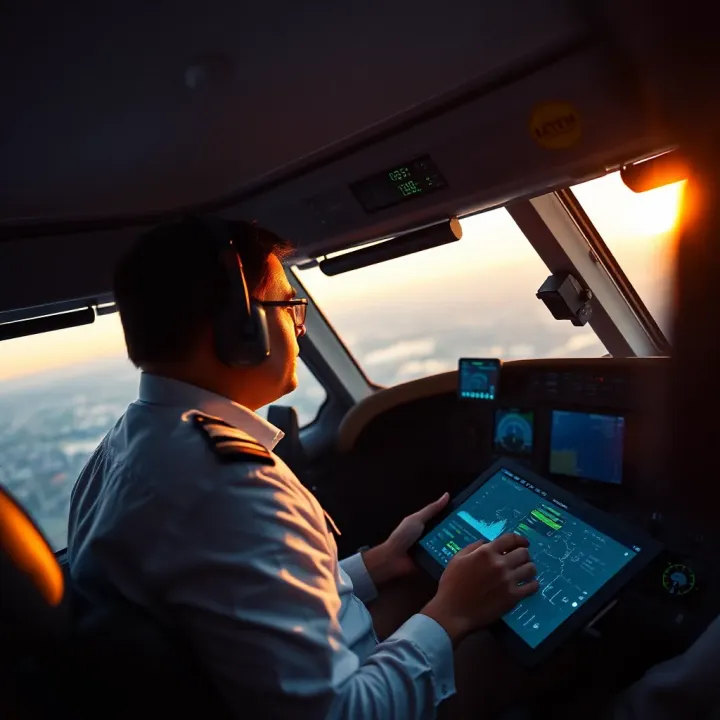
Applying these essentials builds a solid foundation for any aviator aiming for reliability, safety, and efficiency in 2026 and beyond.
Aviation technology has become indispensable for improving flight safety and operational efficiency. In the Nigerian context, where airspace may present unique challenges such as variable weather and congested corridors, modern avionics and digital tools offer pilots better situational awareness and precise navigation. This section examines key technological advances that Nigerian aviators can adopt without straining their budgets but still gain significant benefits.
Upgrading avionics no longer needs to be a heavy financial burden. Nigerian pilots can opt for cost-effective instruments like glass cockpit retrofits, which replace traditional analog dials with digital displays, improving visibility and reducing pilot workload. Brands such as Garmin and Dynon provide rugged, entry-level units that integrate flight data efficiently. Installing these systems enhances safety especially when flying in reduced visibility conditions common during Nigeria's rainy season.
Moreover, affordable engine monitoring systems and automatic dependent surveillance-broadcast (ADS-B) transponders have become more accessible. These upgrades allow pilots to better track engine health and broadcast location data, crucial for situational awareness and compliance with Nigerian Civil Aviation Authority (NCAA) regulations.
GPS technology has revolutionised route planning and in-flight navigation. Nigerian aviators benefit from high-precision GPS receivers that provide real-time position, velocity, and altitude information, reducing reliance on ground-based navigation aids which may be limited in some regions.
For example, handheld GPS units equipped with Nigerian aeronautical charts enable pilots to navigate around restricted or congested airspace in Lagos and Abuja effectively. Advanced flight management systems (FMS) also allow for programmed waypoints and automated course corrections, improving accuracy and reducing pilot fatigue, especially during cross-country flights.
Flight tracking apps tailored to Nigerian airspace offer real-time updates on aircraft positions, which can help pilots avoid congested zones. Platforms like Flightradar24, although global, also include Nigerian flights and airspace information.
Weather remains a critical factor in flight safety, especially in tropical environments. Apps incorporating Nigeria-specific meteorological data such as Nigeria Meteorological Agency (NiMet) forecasts aid pilots in anticipating rainshowers, thunderstorms, and wind shear. These apps allow for quick briefing and in-flight weather updates, helping pilots make timely decisions to avoid hazards.
Reliable communication is key for safe navigation of Nigeria’s busy airspace. Mobile apps linked to air traffic control (ATC) systems facilitate clearer, faster exchanges between pilots and controllers. Technologies like Automatic Speech Recognition (ASR) combined with radio communications can reduce misunderstandings.
Digital logbooks and scheduling platforms also ease the administrative side, helping pilots maintain training records and compliance documentation required by the NCAA. Such tools streamline pilot-ATC coordination, ensuring smoother operations.
Leveraging affordable avionics and reliable digital platforms is not just a matter of convenience but a necessity for Nigerian aviators striving for safer, more efficient flights. These technologies help cut through local logistical challenges, making every journey more predictable and controlled.
In-flight safety and comfort are top priorities for aviators, especially within Nigerian airspace where weather and operational challenges can be unpredictable. Pilots must stay alert to resource management and unexpected issues to maintain safe and smooth journeys. Proper handling of fuel, attention to cabin conditions, and readiness for sudden changes can prevent complications that might otherwise compromise flights.
Fuel management is critical for any flight, but even more so when flying across Nigeria’s various regions and borders. Nigerian aviators should monitor fuel consumption in real-time, accounting for delays caused by traffic restrictions or rerouted flight paths. Using reliable onboard fuel gauges combined with manual cross-checks can help detect discrepancies early.
In cross-border operations, it is vital to understand the fuel policies and availability at foreign airports. Some neighbouring countries might have different fuel grades or limited supply, affecting refuelling decisions. Planning for additional reserves helps avoid risky diversions or emergency landings.
Nigeria’s tropical climate means in-flight temperature and humidity can fluctuate considerably. Managing cabin comfort improves pilot focus and passenger wellbeing. Aviators should use efficient ventilation and climate control systems to keep cabins cool, especially during ember months when heat and humidity peak.
Simple actions like adjusting airflow vents or deploying sunshades on cockpit windows reduce heat load. Hydrating adequately and maintaining cabin pressure within recommended levels are equally important to prevent fatigue and discomfort during longer flights.
Sudden weather shifts, such as unexpected thunderstorms or heavy rain, are common in Nigerian skies. Pilots need to monitor local weather reports regularly and remain ready to adjust routes to avoid severe conditions. Using updated Doppler radar and satellite weather apps supports timely decisions.
When caught in rapid weather changes, slowing down and maintaining altitude reduces risks related to turbulence and visibility loss. Communicating with air traffic control for alternative clearances adds an extra layer of safety.
Effective emergency response hinges on well-practised procedures and calm decision-making. Aviators should revise emergency checklists frequently, covering engine failure, sudden depressurisation, or medical incidents onboard. Drills before flights keep responses sharp to unexpected situations.
In emergencies, quick assessment of options—landing sites, nearest airports, or airstrips—is essential. Prioritising passenger safety and informing crew promptly makes operations smoother during stressful moments.
Remember, small, well-planned steps in-flight can prevent bigger issues down the line. Managing fuel smartly, keeping the cabin comfortable, and handling challenges decisively are marks of a top-notch pilot operating in Nigerian skies.
Regular maintenance is essential to keep aircraft safe, reliable, and cost-effective over time. For pilots and operators in Nigeria, where weather and operational factors can be harsh, a proactive maintenance approach helps avoid unexpected breakdowns and prolongs the aircraft's usability. Practical maintenance also supports compliance with Nigerian Civil Aviation Authority (NCAA) standards, reducing the risk of grounding or penalties.
Key Checks to Conduct After Each Flight
After every flight, simple but thorough inspections identify issues before they become costly. Critical checks include examining the aircraft’s exterior for cracks, dents, or corrosion, particularly on wings and propellers which can suffer damage from dust, bird strikes, or debris on Nigerian runways. Checking oil levels, hydraulic fluids, and fuel system integrity is vital to spot leaks early. These daily checks save money and prevent flight delays, especially on routes involving regional airstrips in humid or dusty environments.
Seasonal Maintenance Tips for Nigerian Climate Conditions
Nigeria’s climate varies by region but generally alternates between wet and dry seasons. Seasonal upkeep should adapt accordingly. During the wet season, focus on corrosion control by applying anti-corrosive coatings and ensuring cockpit seals are intact to prevent moisture ingress. In the dry season, inspection of air filters and engine cooling systems becomes critical as dust levels spike, affecting performance. For instance, aviators flying in the Sahel or northern states should adjust their maintenance schedules to reflect harsher dry season conditions.
Trusted Local and Regional Suppliers for Spare Parts
Access to reliable spare parts within Nigeria and West Africa reduces downtime and cost. Reputable local distributors handling OEM-certified components ensure quality and compatibility. Examples include suppliers in Lagos and Abuja specialising in avionics and engine parts. Regional centres in Ghana or South Africa also provide parts with quicker delivery than overseas options. Maintaining a network with these suppliers helps Nigerian pilots source parts swiftly during operational emergencies or routine servicing.
Balancing Tokunbo vs New Parts for Reliability and Budget
For many operators, balancing between brand-new and tokunbo (imported second-hand) parts is necessary to manage budget constraints without compromising safety. Tokunbo parts can offer substantial cost savings and quick availability but require careful vetting for airworthiness and authenticity. New parts guarantee manufacturer warranties but come at higher prices and sometimes longer lead times. Nigerian operators often blend both approaches — reserving new parts for critical flight systems while opting for tokunbo in less sensitive areas after thorough inspection. This balance extends aircraft life while respecting financial limits.
Routine maintenance adapted to Nigeria’s unique conditions keeps your aircraft flying safely and efficiently. Consistent checks, seasonal care, and smart sourcing prevent costly surprises and help you make the most of your flying investment.
Compliance with Nigerian aviation laws keeps your flying activities safe, legal, and hassle-free. Nigerian Civil Aviation Authority (NCAA) standards govern everything from pilot licensing to aircraft operation. Ignoring these rules can lead to fines, grounding of aircraft, or even suspension of flying licences. For aviators in Nigeria, staying current with these regulations isn’t just about avoiding penalties — it also helps in maintaining high safety practices tailored to local conditions.
NCAA steadily updates licensing criteria and training standards to reflect global best practices and local realities. For example, pilots must now meet stricter medical certification rules to ensure they're fit for flying. Training programmes approved by NCAA include modules on latest aviation technology and updated Nigerian airspace regulation. This focus ensures pilots remain competent and ready for challenges unique to Nigerian skies, such as navigating complex airspace around Lagos or Abuja.
Renewal of licences now requires documented recurrent training, emphasizing practical simulations and safety drills. Nigerian pilots should regularly check NCAA announcements to keep all certifications valid and to avoid unexpected legal complications.
Over the last year, NCAA introduced guidelines tightening operational limits for private flights and improved monitoring of commercial carriers. For instance, private pilots must submit detailed flight plans with special attention to fuel stops and alternate airports in case of emergencies. Commercial operators face new reporting requirements on maintenance and passenger safety.
These regulation changes mean operators and pilots must adapt their procedures. Understanding updates reduces downtime and ensures smooth operations whether flying recreationally or commercially. It also boosts passenger confidence in Nigerian aviation’s safety standards.
When Nigerian pilots fly into other countries, familiarity with foreign air traffic control practices and entry requirements is vital. Pilots should file flight plans in advance, factor in time zone differences, and carry proper documentation such as ICAO-standard licences and permits.
Building relationships with foreign aviation authorities ahead of time helps smooth clearance processes. For instance, Nigerian pilots flying into Ghana or South Africa often coordinate with their embassies and local aviation offices to avoid surprises at the airport or in flight.
The International Civil Aviation Organisation (ICAO) establishes baseline standards and recommended practices for global aviation. Nigeria adopts ICAO standards to maintain consistency and safety across its airspace and internationally.
Following ICAO best practices on aircraft maintenance, pilot training, and communication protocols protects Nigerian aviators from regulatory conflicts abroad. It also improves interoperability during joint operations or multinational maneuvers, which are common with regional neighbours.
Staying fully compliant with both Nigerian and international aviation regulations is not optional but necessary for safe, efficient flying today. It protects you, your passengers, and your aircraft while supporting Nigeria’s growing role in global aviation.
Aviator glasses combine timeless style and practicality in Nigeria 🇳🇬. Discover how to pick authentic pairs, care tips, and their place in local fashion trends 😎.

⚽ Discover expert methods to predict football correct scores in Nigeria, including stats, match history, and local clues. Challenges and practical tips inside.

💸 Learn how to withdraw funds from your 1xBet account in Nigeria smoothly. Get tips on verification, methods, fees, limits, and quick transfers to your bank or e-wallet.

⚽ Looking for the best betting site in Nigeria? Compare 1xBet and BangBet on features, payment ease, betting markets, and customer care to choose wisely.
Based on 10 reviews